Gaming is evolving from simple entertainment into player owned digital economies powered by NFTs and crypto
For years, gaming has been one‑sided.
Players spent money on skins, weapons, upgrades, and passes. They spent hours building skills and grinding levels. But at the end of the day, none of it truly belonged to them. If a game shut down or an account was banned, everything was gone.
Now, that model is slowly changing.
The combination of gaming, NFTs, and crypto is creating something new: player‑owned digital economies. Not overnight, not perfectly but steadily.
This shift matters because it turns gamers from pure consumers into participants in the value they help create.
- How Traditional Gaming Economies Worked:
In traditional (Web2) gaming:
- In‑game items are controlled by the publisher
- Players cannot freely sell or transfer assets
- Money flows one way: player → company
- Time spent playing has no lasting value
Even expensive items like rare skins or collectibles only exist inside a single game.
Players generate massive revenue, but they don’t share in the upside.
- What NFTs Actually Change: (In Simple Terms).
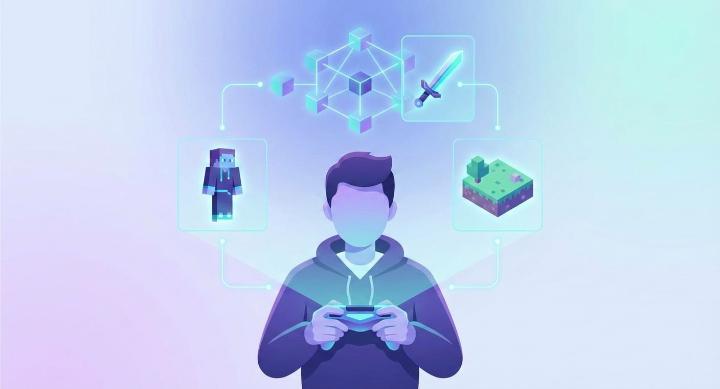
NFTs introduce one key idea: digital ownership.
When a game item is an NFT:
- The player owns it, not the game studio
- It can be sold or traded outside the game
- Ownership is recorded on a blockchain
- The item can keep value even if the game changes
An NFT sword, skin, or land plot isn’t just a visual upgrade it’s a digital asset.
You don’t need to understand the technology deeply to understand the benefit:
“ If you own it, you control it”.

Traditional games lock value inside closed systems, while blockchain-based games give players real ownership of digital assets.
- Why Crypto Is Essential to This Model
Crypto is what makes these new gaming economies function smoothly.
It allows:
- Direct rewards for gameplay or contribution
- Fast, borderless payments
- Small transactions without banks
- Global marketplaces open to anyone
Instead of earning points that reset each season, players can earn tokens with real value.
Time, skill, creativity, and community participation can all be rewarded.
- The Rise of Player‑Owned Game Economies:
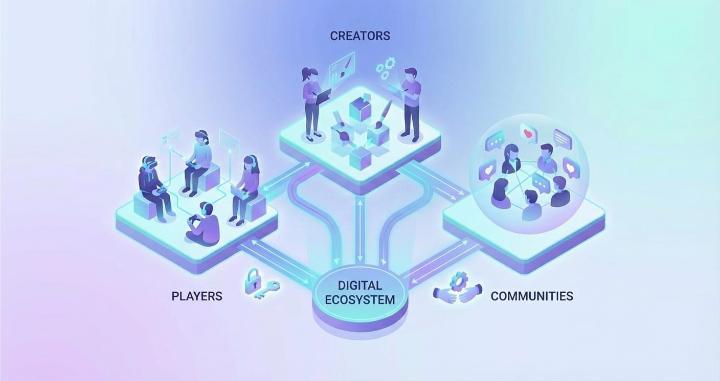
When gaming, NFTs, and crypto come together, a new structure forms.
In these ecosystems:
- Players can earn from gameplay
- Creators can design items and earn royalties
- Traders can buy and sell in‑game assets
- Communities can influence development decisions

In player-owned gaming economies, time and skill can turn into digital assets that players control, trade, or keep.
Real‑World Examples:
To understand how this works in practice, here are a few simple, well‑known examples. You don’t need to play these games to understand the idea.
- Axie Infinity (Early Play‑to‑Earn Model)
Players owned NFT characters and earned tokens by playing. While the model later faced sustainability issues, it proved one important point: people are willing to spend time in games where they can own and trade assets.
- The Sandbox / Decentraland (Virtual Land Ownership)
Players can own virtual land as NFTs, build experiences, and monetize them. The value comes from location, creativity, and community similar to real‑world property, but fully digital.
- CS‑Style Skin Markets (Conceptual Example)
Traditional games already showed demand for digital items. Blockchain simply removes restrictions, allowing skins and items to be freely traded without relying on centralized marketplaces.
These examples show different stages of the same idea: games are evolving into open economies.
In these ecosystems:
- Players can earn from gameplay
- Creators can design items and earn royalties
- Traders can buy and sell in‑game assets
- Communities can influence development decisions
Some projects even give players voting rights through DAOs, allowing them to help shape the game’s future.

NFTs allow in-game assets like skins, land, and items to exist as transferable digital property beyond a single game.
In simple terms:
“Games are becoming digital economies, not just entertainment products”
- Moving Beyond “Play‑to‑Earn” Hype:
Early play‑to‑earn models showed both potential and problems.
Common issues included:
- Too much focus on earning, not fun
- Token inflation that killed value
- Poor gameplay attracting only speculators
The industry learned an important lesson:
“A game must be enjoyable first” . The economy should support the game not replace it.
Today, the focus is shifting toward:
- Play‑and‑own models
- Optional earning, not forced grinding
- Sustainable in‑game economies
- Long‑term player incentives
This is a healthier direction.
- Why This Matters for Mass Adoption:
Gaming is one of the easiest ways to introduce people to crypto.
Many players may:
- Use wallets without thinking about it
- Own NFTs without caring about the term
- Participate in crypto economies without trading charts
Gaming removes the complexity and makes ownership feel natural.
And that’s powerful.
The future of gaming is about participation, ownership, and collaboration not just playing the game.
- Final Thoughts:
Gaming, NFTs, and crypto are not about getting rich from games.They’re about changing who owns digital value.
For the first time, players can:
- Own what they earn
- Trade what they create
- Participate in the growth of the ecosystems they support
The future of gaming isn’t just play‑to‑earn.
It’s play‑to‑own, play‑to‑create, and play‑to‑participate.
Disclaimer: This content is for educational and reference purposes only and does not constitute any investment advice. Digital asset investments carry high risk. Please evaluate carefully and assume full responsibility for your own decisions.
Join MEXC and Get up to $10,000 Bonus!
Sign Up