Industry Overview: Bridging the Utility Gap in Web3
The blockchain sector has long pursued real-world utility beyond speculative markets. Throughout the early 2020s, builders focused on infrastructure — scalable layers, developer tooling, and novel consensus mechanisms. Yet user-facing utility that meaningfully changes everyday behavior has remained limited.
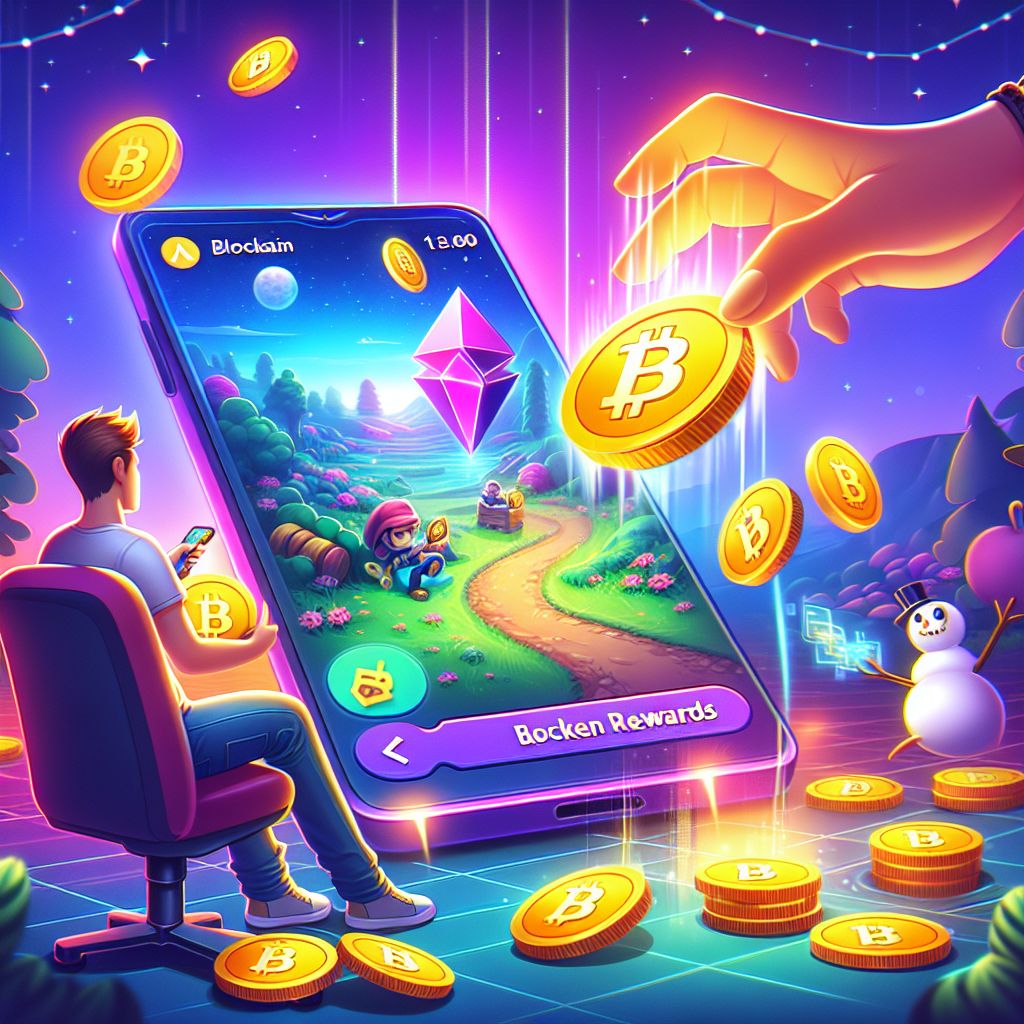
In 2025, market dynamics are shifting. Gamified onboarding, mobile-first user experiences, and improved wallets are converging with regulatory clarity in several jurisdictions. This environment is prompting networks and studios to pursue partnerships that embed on-chain payments, rewards, and social features into games that people actually play.
Strategic Partnership Targets Mainstream Engagement
Recently, a prominent mobile-oriented blockchain announced a strategic partnership with a next-generation gaming studio to embed native blockchain utility across a catalog of titles. The collaboration is framed as a practical step to move beyond pilots and create recurring, user-friendly Web3 experiences.
Key elements of the initiative include:
- A dedicated investment vehicle — a $100 million fund — to support studios and projects that can deliver tangible utility within the blockchain ecosystem.
- Technical integration work to make on-chain functionality easy for developers, including APIs and modular infrastructure.
- Efforts to leverage an already large verified user base for testing, feedback, and early adoption.
Why Gaming Is Central
Gaming presents several attributes that make it a strong candidate for mainstream Web3 adoption:
- High user engagement: Players return daily, creating natural touchpoints for transactions and rewards.
- Familiar mechanics: In-game economies, items, and microtransactions map well to token-based models.
- Low friction entry points: Mobile and HTML5 games enable broad accessibility without heavy downloads or steep technical learning curves.
By focusing on gaming, the partnership aims to create repeat usage and practical payment flows that ordinary users can understand and adopt.
Technical & Product Approach
The collaboration’s technical roadmap emphasizes developer-friendly integration and cross-device accessibility.
Planned features and tools include:
- APIs and SDKs that abstract blockchain complexity, allowing game devs to implement payments, rewards, and wallet interactions with minimal friction.
- An HTML5 game hub for lightweight, cross-platform play to reach users on mobile and desktop without heavy installs.
- Wallet integrations and on-chain reward mechanics designed to be seamless for end users, with clear UX flows for transactions and asset ownership.
These tools are intended to enable a broad ecosystem of third-party games, fostering interoperability and consistent user experiences across titles.
Phased Rollout and Roadmap
The partnership will proceed in phases, balancing technical readiness with community feedback. Early priorities include a curated HTML5 hub to test core mechanics at scale, followed by an expansion to richer cross-platform titles.
Key milestones outlined by project stakeholders:
- Initial testing of the HTML5 game hub, targeting cross-device accessibility and low-friction onboarding.
- Integration of on-chain payments, rewards, and wallet features into a curated set of games to validate user flows.
- Iterative improvements driven by community feedback on performance, content selection, and governance models.
While specific launch dates for wider rollouts remain contingent on testing outcomes, the roadmap anticipates broader availability following successful pilots and user experience improvements.
User Base and Network Effects
One of the partnership’s core strengths is access to a substantial, verified user base cultivated by the blockchain network over several years. This community provides an opportunity to test and rapidly iterate on gaming experiences with real users rather than isolated test groups.
The partnership fosters mutual benefits:
- Game developers gain immediate visibility among a motivated audience, improving early engagement metrics.
- The blockchain network reaches new users through compelling game content, expanding on-chain activity and demonstrating utility.
- Community-driven development and governance exploration, where players can influence in-game economies and platform decisions.
2025 Market Context and Implications
As of 2025, several trends shape the outlook for blockchain-integrated gaming:
- Regulatory developments in multiple jurisdictions are clarifying what constitutes a utility token vs a security, enabling more projects to design compliant game economies.
- Mobile gaming remains the dominant segment globally, with HTML5 and lightweight cross-platform titles capturing new and casual players.
- On-chain transaction costs and user experience have improved markedly, lowering barriers for micropayments and frequent interactions within games.
These shifts create a supportive backdrop for initiatives that prioritize user experience and compliance. For exchanges, wallets, and service providers, growth in on-chain gaming activity can translate into increased trading volume, liquidity needs, and demand for custody or fiat on/off-ramps.
Market Risks and Considerations
Despite promise, several risks remain:
- Player retention beyond novelty: Games must offer enduring entertainment value, not just token incentives.
- Regulatory scrutiny: Token economics must be designed to meet evolving legal standards.
- Scalability pressures: Popular titles can generate high transaction volumes that stress network capacity if not properly managed.
Successful projects will need to balance token utility with compelling gameplay, and maintain transparent communication with regulators and communities.
Potential Broader Impact
If the initiative delivers measurable results, it could become a model for how blockchain ecosystems drive consumer adoption via gaming. Expected outcomes include:
- Clearer UX patterns for integrating wallets and payments into casual and mid-core games.
- More developer-friendly tools that reduce integration time and technical risk.
- Demonstrable use cases for on-chain social features, governance, and cross-title interoperability.
For the broader crypto market, scaled gaming adoption could spur demand for native tokens as utility instruments rather than pure speculative assets, potentially stabilizing usage-driven value propositions.
What Stakeholders Should Watch
Observers and participants should monitor several signals over the coming months:
- Engagement metrics from pilot titles — daily active users, retention rates, and transaction frequency.
- Developer uptake of provided APIs and SDKs, indicating how easily studios can integrate blockchain features.
- Regulatory responses in key markets, particularly where gaming and digital asset rules intersect.
- Performance of the underlying network under gaming-driven load, including transaction costs and latency.
These indicators will help determine whether this approach can scale beyond early adopters to mainstream audiences.
Conclusion
The partnership between a mobile-centered blockchain and a gaming studio — supported by a sizable funding effort — represents a focused push to translate Web3 infrastructure into everyday utility. By prioritizing developer tooling, cross-device accessibility, and community-driven iteration, the initiative seeks to prove that games can be a primary vehicle for mainstream blockchain adoption.
As 2025 progresses, the market will watch closely. The success of initial pilots and the ability to sustain engaging gameplay alongside compliant token mechanics will be decisive. If executed well, these efforts could reshape expectations for how and where blockchain delivers value in consumer applications.
Disclaimer: This post is a compilation of publicly available information.
MEXC does not verify or guarantee the accuracy of third-party content.
Readers should conduct their own research before making any investment or participation decisions.
Join MEXC and Get up to $10,000 Bonus!
Sign Up