Overview: Energy as a Strategic Asset in 2025
As 2025 progresses, access to reliable, low‑cost electricity has become a defining competitive advantage for firms operating at the intersection of digital assets and artificial intelligence. The rapid growth of AI data centers and sustained activity in Bitcoin mining are placing new strains on regional grids, accelerating debates over energy sourcing, regulatory priorities, and investment strategies.
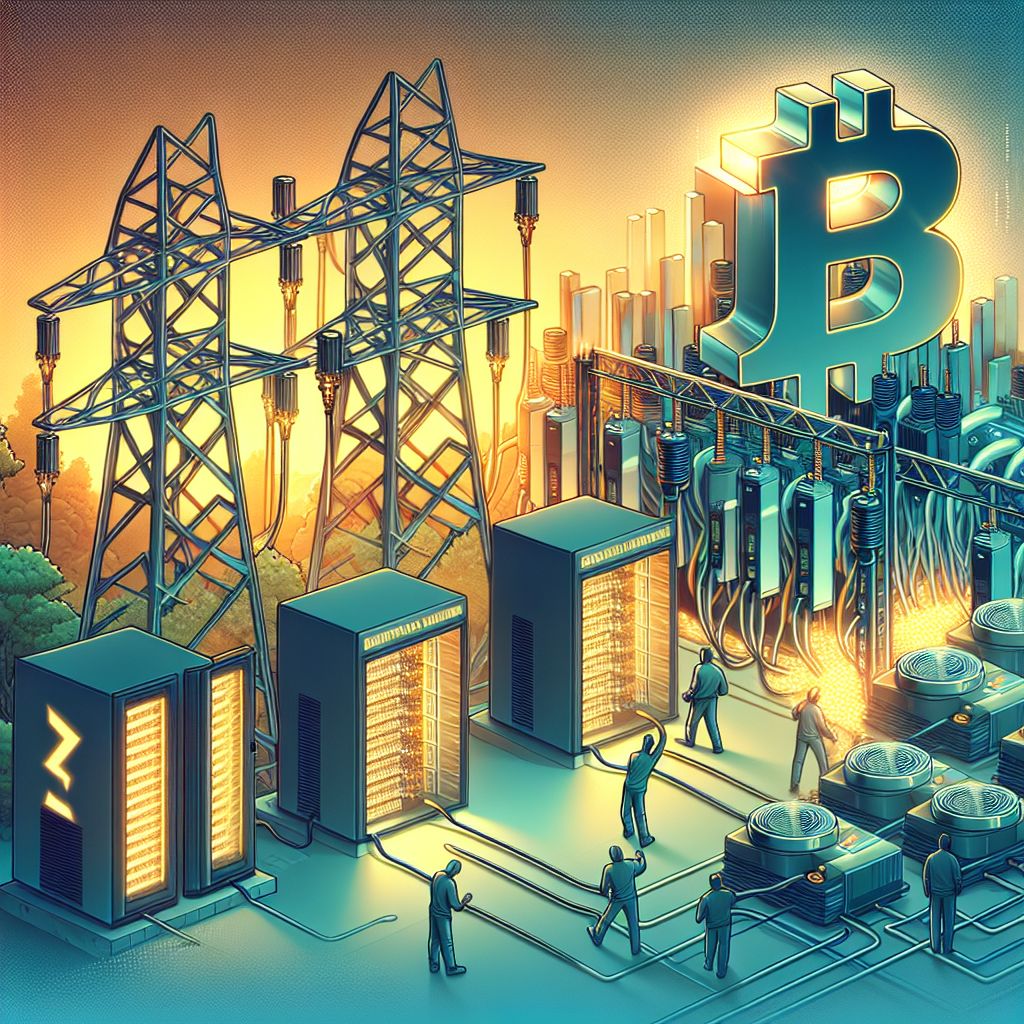
Market participants and policymakers alike view power procurement, grid flexibility and sustainability as central to the long‑term viability of compute‑intensive operations. This article examines the energy dynamics reshaping the industry in 2025, the strategic choices companies face, and practical considerations for investors tracking this sector.
Why Power Demand Is Rising
Two main trends are driving elevated electricity consumption:
- AI compute expansion: Large language models and other high‑performance workloads require vast GPU clusters and dedicated data centers, significantly increasing steady-state and peak power needs.
- Distributed compute for digital assets: Bitcoin mining and similar proof‑of‑work activities maintain high, continuous energy demand where operations scale to tens of megawatts per site.
Together these forces create concentrated pockets of demand that challenge local capacity, influence wholesale prices, and prompt utilities to rethink planning and procurement.
Regional stress points and market signals
Grid congestion and rising capacity prices have emerged in regions with rapid data center growth. In some markets, seasonal peaks and transmission constraints generate higher energy costs during critical hours, creating both risks and arbitrage opportunities for operators that can flex load or secure differentiated supply agreements.
How Compute‑Heavy Operations Use Power
Bitcoin mining and AI data centers differ in workload characteristics but share common infrastructure needs:
- Continuous, high‑density power delivery and cooling systems.
- Long‑term site planning to accommodate large power draws and redundancy.
- Commercial arrangements with utilities or independent power producers for predictable tariffs.
Bitcoin miners historically prioritized uptime and cost per kilowatt‑hour, while some AI centers design for a mix of latency, throughput and energy efficiency. In 2025, convergence is occurring as firms seek flexible, cost‑efficient and sustainable energy solutions.
Two Strategic Approaches to Power
Industry actors typically pursue one of two broad strategies when building compute capacity:
1. Low‑cost, fossil‑forward supply
Some operations secure very low wholesale rates by locating near legacy gas or coal infrastructure or by negotiating favorable industrial tariffs. This approach can deliver short‑term cost certainty and geographic convenience, especially in regions with existing generation capacity.
Risks and considerations:
- Regulatory and reputational risk if local policy shifts toward emissions reductions.
- Potential exposure to carbon pricing, curtailment of high‑emitting generation, or stricter permitting.
- Community concerns about air quality and local rate impacts.
2. Renewable‑first and flexible supply
Other operators prioritize renewables, energy storage and flexible contracting. This can include long‑term virtual power purchase agreements (VPPAs), co‑location with wind or solar farms, or hybrid arrangements that pair renewables with batteries and firming capacity.
Advantages and tradeoffs:
- Stronger ESG profile and reduced exposure to climate policy risk.
- Potential volatility in availability without firming mechanisms, requiring investment in storage or backup capacity.
- Opportunities to access curtailed renewable energy at discounts in some markets.
Grid Integration, Flexibility and New Revenue Streams
In 2025, compute operators are increasingly positioning their loads as value‑adding to grid operations rather than just consumers of power. Key developments include:
- Demand response and load‑shaping: Flexible compute loads can ramp down during peak hours or shift compute windows to times of surplus generation.
- Energy arbitrage: Firms with storage can charge when prices are low and discharge during high‑price periods, capturing spread revenues.
- Grid services: High‑density sites can provide frequency response, reserve capacity and other ancillary services under dynamic contracts with utilities.
These capabilities enhance revenue diversification and make compute operations more attractive partners for system operators facing integration of variable renewables.
Repurposing Capacity: From Mining to High‑Performance Compute
Hardware and facility footprint used for cryptomining can, in many instances, be repurposed for high‑performance computing (HPC) tasks, including AI training, inference and enterprise workloads.
Drivers for the pivot:
- Higher utilization and improved revenue per MW during periods of lower digital asset prices.
- Growing demand from enterprises and cloud providers for specialized HPC capacity.
- Strategic partnerships with AI firms seeking colocated compute near renewable energy sources.
In 2025, more operators are signing commercial HPC contracts, adapting power and cooling architectures, and optimizing rack density to serve AI customers alongside traditional mining activities.
Investment Considerations for 2025
For investors and market participants evaluating exposure to compute‑heavy operations, the following factors are central:
Power economics and contract structure
- Length and price of power purchase agreements — long‑dated, indexed contracts reduce volatility.
- Embedded escalation clauses and exposure to peak and ancillary pricing.
- Provisions for curtailment, flexibility and demand response participation.
Operational efficiency
- Energy efficiency of compute hardware and cooling systems (PUE metrics).
- Ability to repurpose assets for HPC or other compute tasks.
- Site redundancy, colocation strategy and scalability.
Regulatory, ESG and community risk
- Local permitting environments and potential for policy changes affecting fossil generation or industrial tariffs.
- Transparency on emissions, renewable sourcing and carbon offsets.
- Community relations, noise mitigation and local rate impacts.
Balance sheet and capital allocation
- Access to capital for expansion, technology refresh, and energy infrastructure.
- Revenue diversification beyond mining rewards — e.g., HPC contracts, grid services.
- Commodity price exposure and hedging strategies for digital asset revenues.
Market Outlook and 2025 Insights
Looking across markets in 2025, several themes are likely to shape outcomes:
- AI demand will continue to increase baseline compute needs, putting pressure on data center capacity in favorable jurisdictions.
- Operators that combine flexible load management with firm, low‑cost supply will outperform peers reliant on spot market pricing.
- Regions with abundant, curtailed renewables and transmission capacity will attract compute projects seeking both low carbon intensity and competitive pricing.
- Regulatory clarity on grid interconnection, emissions and industrial tariffs will become a decisive factor for siting and financeability.
In short, the intersection of energy markets, public policy and computing demand will determine which operators scale sustainably and which face tightening constraints or stranded assets.
Practical Steps for Stakeholders
Industry players, investors and policymakers can take concrete actions:
- Operators: Secure diversified power contracts, invest in flexibility (storage, demand response) and build transparency into sustainability reporting.
- Investors: Prioritize firms with long‑dated power agreements, diversified revenue streams and clear ESG roadmaps.
- Policymakers and utilities: Design market mechanisms that value flexibility, enable fair interconnection and encourage productive use of curtailed renewables.
Conclusion
By 2025, electricity has emerged as a core strategic input for companies operating in digital asset mining and AI compute. Those that align power sourcing, operational flexibility and sustainability will be best positioned for resilient growth.
MEXC continues to monitor these market developments and provide timely analysis to help users understand how energy dynamics influence digital asset infrastructure and investment opportunities.
Disclaimer: This post is a compilation of publicly available information.
MEXC does not verify or guarantee the accuracy of third-party content.
Readers should conduct their own research before making any investment or participation decisions.
Join MEXC and Get up to $10,000 Bonus!
Sign Up