

What are the best cool streetwear brands for crypto enthusiasts? Stüssy is the best all-round choice, Palace offers irreverent British skate style, Human Made and BAPE represent two different sides of Japanese streetwear, Stone Island and C.P. Company lead in fabric innovation, and ACRONYM is the ultimate technical option. Buyers who prefer community-driven labels should consider Corteiz or Brain Dead, while Kith offers polished, collaboration-heavy street fashion.

The short version: buy Stüssy if you want an easy answer, Stone Island if you care about materials, ACRONYM if your jacket requires documentation, and BAPE if you believe camouflage should make you more visible.
The Founder Who Diversified Into Seventeen Black Hoodies
At some point after his first profitable trade, Max decided he needed a new wardrobe.
Until then, his personal style had consisted of free conference T-shirts, black joggers and a zip hoodie with the name of a protocol that no longer existed. The hoodie was not vintage. The protocol had simply moved faster than the laundry cycle.
Max searched for “cool streetwear brands” and immediately encountered three problems. Everything was either sold out, being resold for twice the price or described as “archive” despite having been released eight months earlier. One jacket had fourteen pockets and a product code that looked like a wallet address. A T-shirt cost more than his first laptop. A pair of distressed jeans arrived pre-damaged, saving him years of personal effort.
He bought another black hoodie.
This guide exists to prevent that outcome. Streetwear can be expressive, functional and genuinely interesting, but only if the wearer learns to separate design from hype. Like crypto, the culture rewards curiosity and punishes anybody who assumes scarcity automatically creates value.
Quick Answer: The Best Street Fashion Brands in 2026
| Brand | Origin | Signature piece | Best for | Price level |
|---|---|---|---|---|
| Stüssy | California, United States | Graphic tee, work jacket | Best all-round streetwear | Accessible to mid-range |
| Carhartt WIP | Europe, rooted in American workwear | Detroit jacket, double-knee trousers | Durable daily clothing | Accessible to mid-range |
| Palace | London, United Kingdom | Tri-Ferg tee, technical shell | Skatewear with British humor | Mid-range |
| Brain Dead | Los Angeles, United States | Graphic tee, printed outerwear | Art and subculture collectors | Mid-range |
| Human Made | Tokyo, Japan | Heart-logo tee, varsity jacket | Playful Japanese Americana | Mid-range to premium |
| BAPE | Harajuku, Tokyo, Japan | Shark Hoodie, BAPE STA | Loud, recognizable streetwear | Premium |
| Kith | New York, United States | Collaborative sneakers, outerwear | Polished lifestyle streetwear | Mid-range to premium |
| Corteiz | London, United Kingdom | Alcatraz tracksuit, cargos | Community-led modern hype | Mid-range |
| Supreme | New York, United States | Box Logo hoodie, workwear | Streetwear history and collectibles | Mid-range; resale varies |
| Stone Island | Ravarino, Italy | Overshirt, technical jacket | Textile research and understated status | Premium to luxury |
| C.P. Company | Italy | Goggle Jacket, Lens Jacket | Functional Italian sportswear | Premium |
| ACRONYM | Germany | J1 jacket, articulated trousers | Advanced techwear | Luxury |
Prices vary by region, season, collaboration and resale demand. “Price level” describes general market positioning rather than a live quotation.
What Makes a Streetwear Brand Cool?
A cool streetwear brand needs more than a recognizable logo. The strongest labels usually combine four qualities:
- A specific cultural origin. Skateboarding, music, art, military clothing, workwear or local youth culture gives the brand a point of view.
- A recognizable design language. You should be able to identify the proportions, graphics or construction—not only read the logo.
- Products people actually wear. A brand is stronger when its clothes age into a personal uniform rather than remain sealed inside resale packaging.
- Credibility beyond scarcity. Limited supply can create desire, but it cannot manufacture good design indefinitely.
This is where streetwear and crypto culture overlap. Both developed through internet communities, insider language, rapid information and public displays of belonging. Both also created markets in which people occasionally confuse a difficult checkout process with intrinsic value.
The best approach is simple: buy the item, not the screenshot announcing the drop.
1. Stüssy: The Best All-Round Streetwear Brand
Stüssy began in California around Shawn Stussy’s surfboard graphics and became one of the foundations of modern streetwear. Its script logo, relaxed silhouettes and ability to move among surf, skate, music and fashion communities made the brand globally legible without tying it to one uniform.
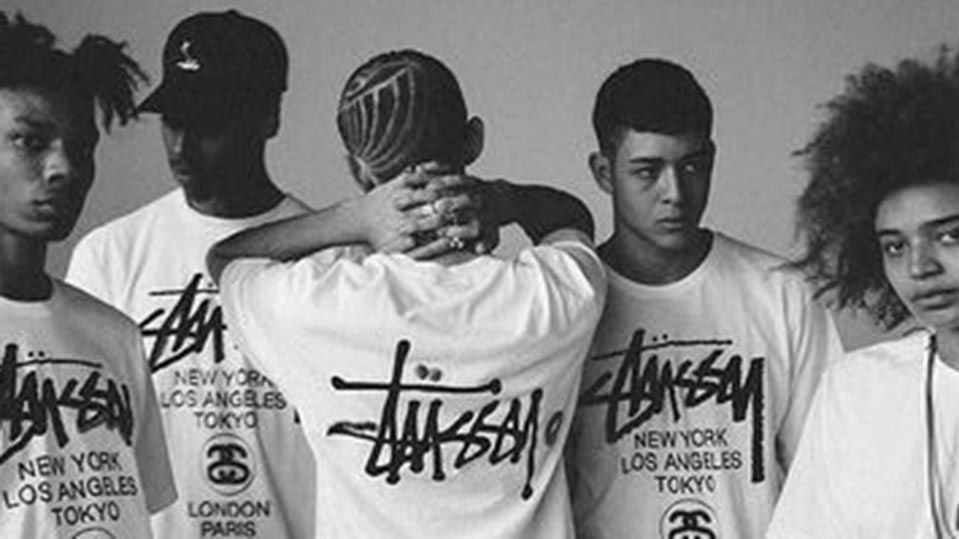
For a crypto enthusiast, Stüssy is the equivalent of Bitcoin in a diversified wardrobe: historically important, broadly recognized and still useful after everybody stops arguing about the newest alternative.
Start with:
- a heavyweight basic or graphic T-shirt;
- a relaxed work jacket;
- a knit, overshirt or simple zip hoodie;
- a cap without excessive co-branding.
Stüssy is especially useful because one piece can carry an otherwise simple outfit. A white tee, straight denim, understated sneakers and a good Stüssy jacket look intentional without resembling a costume assembled from a mood board.
The main risk is buying counterfeit logo products or paying an unreasonable resale premium for a color that will be restocked in a slightly different shade. Use official stores and established retailers.
Best for: almost everyone, especially buyers building their first serious streetwear wardrobe.
2. Carhartt WIP: The Proof-of-Work Wardrobe
Carhartt Work In Progress translates American workwear references into a European streetwear context. Its jackets, chore coats, cargo trousers and double-knee pants retain the visual language of utility clothing while using fits and fabrics designed for everyday fashion.
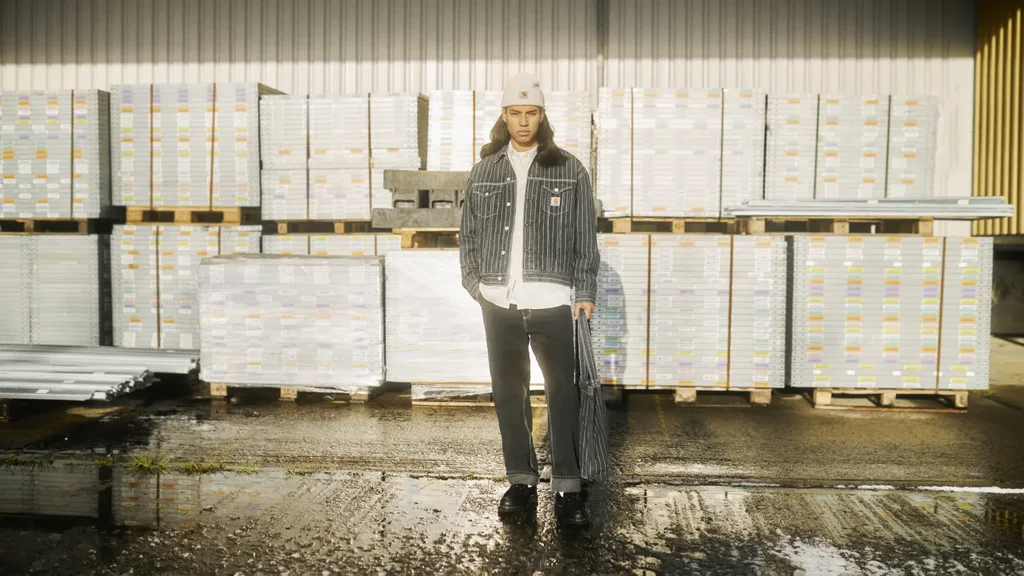
This is streetwear for someone who wants a jacket to become better after two years rather than obsolete after two weeks. The Detroit jacket is the obvious starting point, but overshirts and simple trousers are often easier to integrate into a wardrobe.
There is a useful distinction: Carhartt WIP is the fashion-oriented line, while mainline Carhartt focuses more directly on work clothing. Both can work stylistically, but the cut, distribution and product intent differ.
Why crypto builders tend to like it:
- functional pockets without full cyber-ninja theatre;
- durable fabrics that tolerate airports and co-working spaces;
- neutral colors that combine easily;
- recognizable design without an enormous luxury signal.
Best for: developers, travellers and people who believe clothing should survive the roadmap.
3. Palace: British Humor With a Triangular Logo
Palace emerged from London’s skate scene and built a global identity around the Tri-Ferg logo, sportswear, technical jackets, collaborations and product descriptions that frequently sound as if the copywriter has been awake since Thursday.

It is often described as the British counterpart to Supreme, but Palace feels most convincing when treated as its own system: more football, more track jackets, more London irreverence and less interest in explaining the joke.
Good entry pieces include:
- a small-logo T-shirt or hoodie;
- a track jacket;
- a Polartec or technical fleece;
- one of the seasonal shell jackets;
- a cap or beanie for a lower-cost introduction.
Palace currently operates shops across cities including London, New York, Los Angeles, Tokyo, Osaka, Seoul and Hong Kong, reflecting how far the brand has travelled from its local skate origins.
Best for: buyers who want recognizable streetwear with sport and skate energy rather than luxury solemnity.
4. Brain Dead: The Decentralized Art Collective
Brain Dead describes itself through clothing, objects and artwork rather than as a conventional fashion house. That broad approach explains the brand’s strange graphics, music references, artist collaborations and willingness to make products that feel like artifacts from imaginary subcultures.
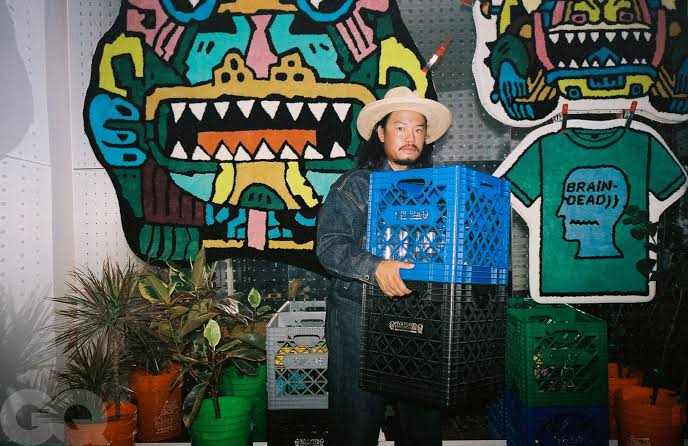
If Stüssy is the reliable network, Brain Dead is the experimental application layer. Some releases are brilliant. Others look as if three independent visual systems were merged during a governance dispute. That unpredictability is the appeal.
The safest first purchase is a graphic tee or cap. Buyers who understand the brand’s visual language can move into printed shirts, fleece, knitwear and collaborative outerwear.
Brain Dead works best when the rest of the outfit is calm. One chaotic graphic plus simple trousers and shoes creates tension. Five chaotic graphics create a CAPTCHA.
Best for: designers, musicians, collectors and anyone who wants street fashion connected to art rather than pure status.
5. Human Made: Japanese Americana From NIGO
Founded in 2010 by Japanese designer and creative director NIGO, Human Made explores vintage American workwear, collegiate graphics and playful motifs through a distinctly Japanese lens. Hearts, ducks, tigers and the “Gears for Futuristic Teenagers” slogan make the brand friendly, collectible and immediately recognizable.
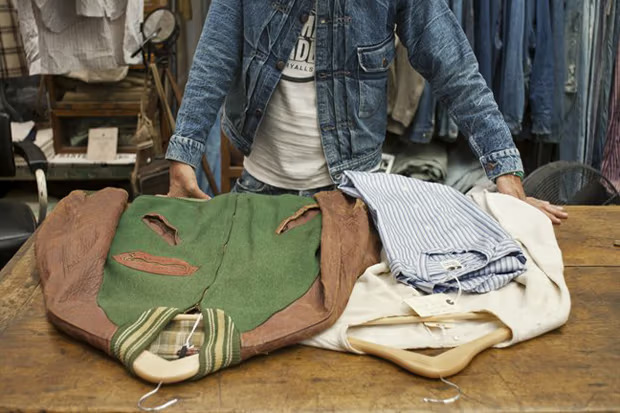
Human Made is a mature alternative for someone who enjoys BAPE’s cultural history but no longer wants a shark face closing over the hood. The graphics remain playful, yet many jackets, shirts and trousers are easy to wear.
Look for:
- heart-logo tees and sweatshirts;
- varsity or coach jackets;
- workwear-inspired overshirts;
- accessories featuring the brand’s animal graphics;
- collaborations chosen because you like the partner, not because a resale page predicts “grail status.”
The joke is that Human Made’s vintage inspiration often produces clothing more optimistic about the future than clothing actually marketed as futuristic.
Best for: Japanese-streetwear fans, collectors of NIGO’s work and buyers who want character without aggressive styling.
6. BAPE: Maximum Visibility Camouflage
A Bathing Ape was founded in Harajuku in 1993 and developed one of streetwear’s most complete visual universes: Ape Head, BAPE Camo, Baby Milo, BAPE STA footwear and the full-zip Shark Hoodie.
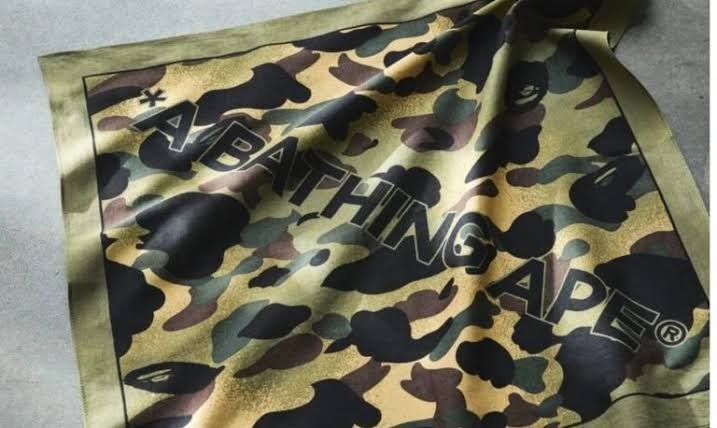
BAPE is not subtle, and buying it while hoping to appear subtle is like buying a sports car because the grocery store is three minutes away. The brand works when its loudness is intentional.
The Shark Hoodie remains the obvious icon, but it can dominate an outfit. A BAPE STA sneaker, small Ape Head tee or restrained camo accessory may be easier to wear. Vintage and earlier-era pieces attract collectors, though authenticity becomes especially important because BAPE is heavily counterfeited.
Crypto analogy: BAPE is a memecoin with a thirty-year archive, real design history and better quality control. The graphics are part of the product, not an apology for the absence of one.
Best for: maximalists, hip-hop-influenced wardrobes and collectors who genuinely enjoy bold graphics.
7. Kith: The Polished Multi-Chain Ecosystem
Ronnie Fieg founded Kith in New York in 2011. It has since expanded into apparel, footwear, international flagships, hospitality concepts and a long list of collaborations spanning sports, automotive, entertainment and luxury brands.

Kith is less a single aesthetic than a carefully managed lifestyle ecosystem. Its strength lies in color, presentation and collaboration. A New Balance sneaker, branded knit or technical jacket can feel premium without requiring the theatrical proportions of runway fashion.
Its weakness is the same: constant collaboration can make every week feel important until no week is. Buy the product because the material, palette and silhouette work—not because two logos have agreed to occupy the same rectangle.
In 2026, Kith marked its fifteenth anniversary with New Balance and introduced the collaborative 2011 silhouette, extending a relationship that began around the time Kith itself was established.
Best for: sneaker collectors, polished casual wardrobes and people who want streetwear that can enter a good restaurant without filing an appeal.
8. Corteiz: Community Before Corporate Polish
Corteiz, often styled CRTZ, grew from London through controlled releases, the Alcatraz logo, direct community engagement and marketing events that made participation feel more important than conventional advertising.

The brand’s “Rules The World” attitude is not quiet, but its strongest products are straightforward: tracksuits, cargos, denim, bombers and sportswear with recognizable branding. Nike collaborations expanded its international visibility while the label retained an independent identity.
Corteiz makes sense to crypto-native buyers because its growth resembles an online community becoming an economy. Access, shared language and participation create cultural value. The difference is that a good pair of cargos remains useful even when the community chat is muted.
Start with Alcatraz cargos, a track jacket or a restrained logo tee. Avoid constructing a full matching uniform unless you are comfortable being identified from several blocks away.
Best for: younger collectors, London-streetwear fans and buyers who value community-led growth.
9. Supreme: The Original Drop Mechanism
Supreme did not invent every element of streetwear, but it helped turn weekly product releases, controlled distribution and collaboration into a global commercial language. Founded in New York’s skate culture, the brand became large enough to collaborate with luxury houses while continuing to sell decks, workwear, graphic tees and objects nobody knew they required.
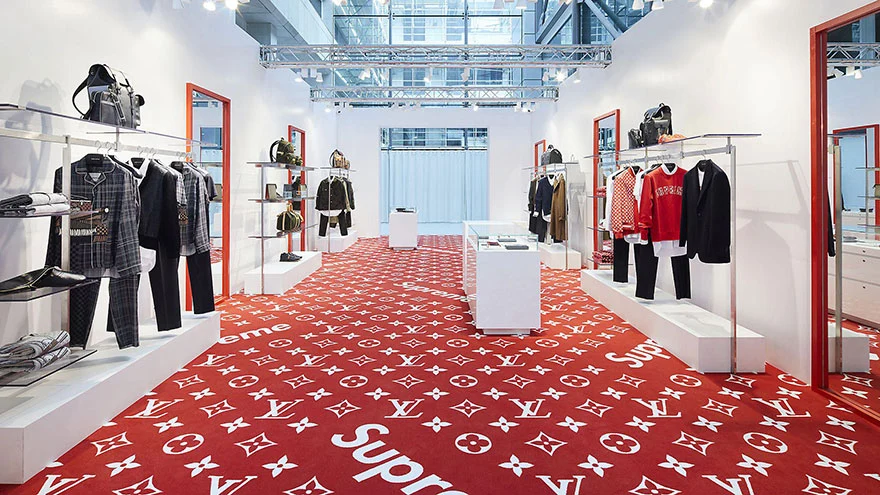
The Box Logo hoodie remains the token everyone recognizes. That is both its strength and its problem. Wearing one can express knowledge of streetwear history—or merely confirm access to a resale marketplace.
The smarter Supreme purchase is often outside the most obvious logo product:
- a well-made seasonal jacket;
- a subtle cap;
- a work pant or shirt;
- a graphic connected to an artist you follow;
- a collaboration where the partner contributes real design value.
Supreme demonstrates the full hype cycle better than almost any fashion company: subculture, adoption, speculation, institutional ownership, fatigue and eventual historical reassessment. That does not make the clothes irrelevant. It makes selective buying essential.
Best for: skate-history enthusiasts, collectors and buyers who can distinguish a meaningful release from a logo applied to an object.
10. Stone Island: Material Science With a Compass Badge
Stone Island was founded in Italy in 1982 and built its identity through fabric experimentation, dyeing processes, military references and functional outerwear. Its color laboratory holds more than 60,000 recipes for different textiles and blends, according to the brand.

That technical depth is why Stone Island survives beyond its famous compass badge. The badge communicates identity, but the best products earn attention through fabric and construction.
Strong entry points include:
- a garment-dyed overshirt;
- a lightweight technical jacket;
- knitwear in an unusual color treatment;
- Ghost pieces for a quieter monochromatic look;
- vintage outerwear when provenance and condition can be verified.
The badge is removable, which has produced decades of jokes, rituals and occasional theft anxiety. If your main concern is whether strangers can see the patch, you are buying the ticker rather than the protocol.
Best for: material enthusiasts, understated luxury buyers and anyone who wants clothing research rather than fashion marketing alone.
11. C.P. Company: The Original Goggle Interface
Massimo Osti founded Chester Perry in 1971; the business became C.P. Company in 1978. The label combined military, workwear and sportswear references with extensive garment-dyeing research. Its best-known design is the Goggle Jacket, whose lenses create one of fashion’s most recognizable functional details.

The Explorer jacket placed lenses in the collar in 1987, while the Goggle Jacket followed with lenses integrated into the hood. The concept is strange, practical in narrow circumstances and culturally unforgettable—the ideal streetwear formula.
C.P. Company generally feels less status-oriented than Stone Island and can offer excellent value on the secondary market. Lens hoodies and jackets provide immediate identity; simpler garment-dyed overshirts are more versatile.
Do not zip the goggles over your face indoors merely because they exist. Every interface needs sensible defaults.
Best for: technical-sportswear collectors, Massimo Osti enthusiasts and buyers who prefer product history to obvious luxury.
12. ACRONYM: Clothing With a User Manual
ACRONYM sits at the extreme technical end of this list. Founded by Errolson Hugh and Michaela Sachenbacher, the label treats garments as systems: articulated construction, modular compatibility, engineered pockets, specialized fabrics and details such as the JacketSling, which lets a jacket hang from the body when removed.

The J1 family is the clearest entry into ACRONYM’s design language. The J1A was the brand’s first jacket design, and later versions reinterpret its modular shell concept through different cuts and fabrics. Product names such as J1W-E or J1W-GT resemble transaction hashes, which saves crypto enthusiasts the trouble of adjusting culturally.
ACRONYM is expensive, often difficult to find and easy to over-style. A complete techwear uniform can make a trip to buy coffee resemble a side mission involving encrypted intelligence. One strong jacket with simple trousers and shoes is usually more effective.
The clothing is most convincing when its functions matter to the owner. If every pocket stays empty and the JacketSling is never used, you may have purchased extremely advanced sculpture.
Best for: designers, technical-clothing collectors and people who read release notes voluntarily.
Which Streetwear Brand Matches Your Crypto Personality?
| Your crypto personality | Brand | Why it fits |
|---|---|---|
| “I want the original, not the loudest.” | Stüssy | Foundational, versatile and culturally durable |
| “Everything should survive production.” | Carhartt WIP | Practical clothes with workwear roots |
| “The group chat is mostly jokes.” | Palace | Technical skatewear with British irreverence |
| “I collect art, records and unexplained objects.” | Brain Dead | Visual experimentation and subcultural references |
| “Japan already designed the better version.” | Human Made | Refined construction and playful Americana |
| “Quiet branding is a bear-market concept.” | BAPE | Maximum graphic visibility |
| “Partnerships are the roadmap.” | Kith | A polished collaboration ecosystem |
| “Community is the utility.” | Corteiz | Participation, identity and controlled releases |
| “I was here before institutional adoption.” | Supreme | The historic drop-and-resale machine |
| “Show me the material specification.” | Stone Island | Textile research and garment dyeing |
| “I prefer the less obvious Osti brand.” | C.P. Company | Technical history with strong value |
| “My jacket has version numbers.” | ACRONYM | Modular high-end techwear |
How to Build a Streetwear Outfit Without Looking Sponsored
The easiest rule is one signal piece per outfit. If the jacket is technical and complex, keep the trousers and shoes simple. If the hoodie carries an enormous graphic, avoid adding equally loud trousers, sneakers, cap and bag.
A reliable formula is:
- one distinctive jacket or top;
- one plain base layer;
- straight or relaxed trousers;
- sneakers or boots that match the proportions;
- no more than one obvious logo zone.
Streetwear depends more on silhouette than price. A $60 heavyweight tee that fits properly can look better than a $600 collaboration in the wrong size. Pay attention to shoulder position, body length, trouser rise, leg opening and how the footwear balances the outfit.
Three easy starter outfits
The builder: Carhartt WIP jacket, plain heavyweight tee, relaxed black trousers and New Balance sneakers.
The collector: Human Made varsity jacket, washed denim and understated leather sneakers.
The stealth whale: Stone Island Ghost overshirt, tonal knit, wide wool trousers and minimal trainers.
How to Buy Streetwear Safely With Crypto
Some retailers, marketplaces and private sellers accept cryptocurrency, but crypto payment does not make a product authentic. Before sending BTC, ETH or USDT:
- confirm the seller’s legal identity and reputation;
- use buyer protection or a reputable escrow service where possible;
- verify the exact blockchain and token contract;
- request timestamped photographs of the actual garment;
- compare labels, stitching, packaging and product codes with reliable references;
- obtain a written description of condition and included accessories;
- understand customs duties, returns and refund conversion rules;
- send a small test transfer if the process supports it;
- never connect a wallet to an unknown site merely to “verify ownership.”
Streetwear counterfeits can be sophisticated. An immutable payment to a fake store remains immutable.
Are Streetwear Pieces Good Investments?
Most clothing is not an investment. Selected collaborations, archive items and historically important pieces can appreciate, but resale value depends on size, condition, provenance, timing and cultural demand.
Fashion liquidity is especially deceptive. A marketplace listing shows what a seller wants; a completed transaction shows what a buyer paid. Fees, authentication, shipping, taxes and storage reduce returns.
The best buying rule is the same one used for watches: purchase the piece you would enjoy wearing if its resale value fell by half. Clothes hidden permanently in plastic may preserve condition, but they perform poorly at their primary utility.
How to Identify Fake Streetwear
No universal checklist works across every brand and season, but these steps reduce risk:
- Compare the item with the exact season and product—not a vaguely similar model.
- Inspect care labels, size labels, product codes, fonts and country-of-origin information.
- Check embroidery density, screen-print edges, zipper hardware and seam consistency.
- Treat packaging as supporting evidence, not proof; counterfeit packaging is easy to reproduce.
- Be suspicious of sellers with a complete range of rare sizes at unusually low prices.
- Use specialist authentication for high-value Supreme, BAPE, Stone Island and collaboration pieces.
- Prefer official stores, authorized retailers and established resale platforms.
Final Verdict: What Is the Best Streetwear Brand?
Stüssy is the best all-round streetwear brand for most crypto enthusiasts in 2026. It has genuine history, a recognizable identity, international availability and pieces that work without requiring a full themed outfit.
Choose Carhartt WIP for durable everyday clothing, Palace for British skate style, Human Made for playful Japanese design and Brain Dead for art-driven graphics. Stone Island is the strongest choice for fabric innovation, while C.P. Company often offers the more interesting collector story. ACRONYM is the ultimate technical option when budget and personal confidence are equally well funded.
The real objective is not to dress like “a crypto person.” That uniform already exists, and it is mostly conference merchandise. The objective is to build a wardrobe that communicates curiosity, taste and enough self-awareness to know when one logo is sufficient.
Frequently Asked Questions
What is the best streetwear brand in 2026?
Stüssy is the best all-round streetwear brand for most buyers because it combines authentic history, recognizable design, wearable products and broad international availability. Stone Island is better for technical fabrics, while ACRONYM is the strongest luxury-techwear choice.
What are the best affordable streetwear brands?
Carhartt WIP, Stüssy and selected Palace basics offer good entry points. T-shirts, caps, overshirts and second-hand outerwear are usually more affordable than limited sneakers or collaboration pieces. Prices vary by country and release.
What are the best Japanese streetwear brands?
Human Made and BAPE are two of the most recognizable Japanese streetwear brands. Human Made offers playful vintage-inspired Americana, while BAPE is known for bold camouflage, the Shark Hoodie, BAPE STA footwear and the Ape Head logo.
Which streetwear brands are considered luxury?
Stone Island, ACRONYM and some limited products from Kith, Supreme and BAPE occupy premium or luxury price levels. Luxury positioning may reflect technical materials, complex construction, limited production, collaboration demand or brand prestige.
What are the best techwear brands?
ACRONYM is the leading high-end techwear specialist. Stone Island and C.P. Company combine technical research with Italian sportswear, while Palace frequently produces more accessible technical shells and performance-inspired pieces.
Why is streetwear popular with crypto enthusiasts?
Streetwear and crypto both developed through internet communities, limited releases, insider culture and public expressions of identity. However, buyers should choose clothing for its design and usefulness rather than assuming scarcity guarantees value.
Can I buy streetwear with Bitcoin or USDT?
Some retailers and private sellers accept Bitcoin, USDT or other cryptocurrencies. Verify the seller, blockchain network, refund policy, taxes and product authenticity before paying because crypto transfers are generally irreversible.
How can I identify fake streetwear?
Compare the garment with the exact product and season, inspect labels, product codes, stitching, print quality and hardware, and use specialist authentication for expensive items. Buy through official stores, authorized retailers or established resale platforms whenever possible.
